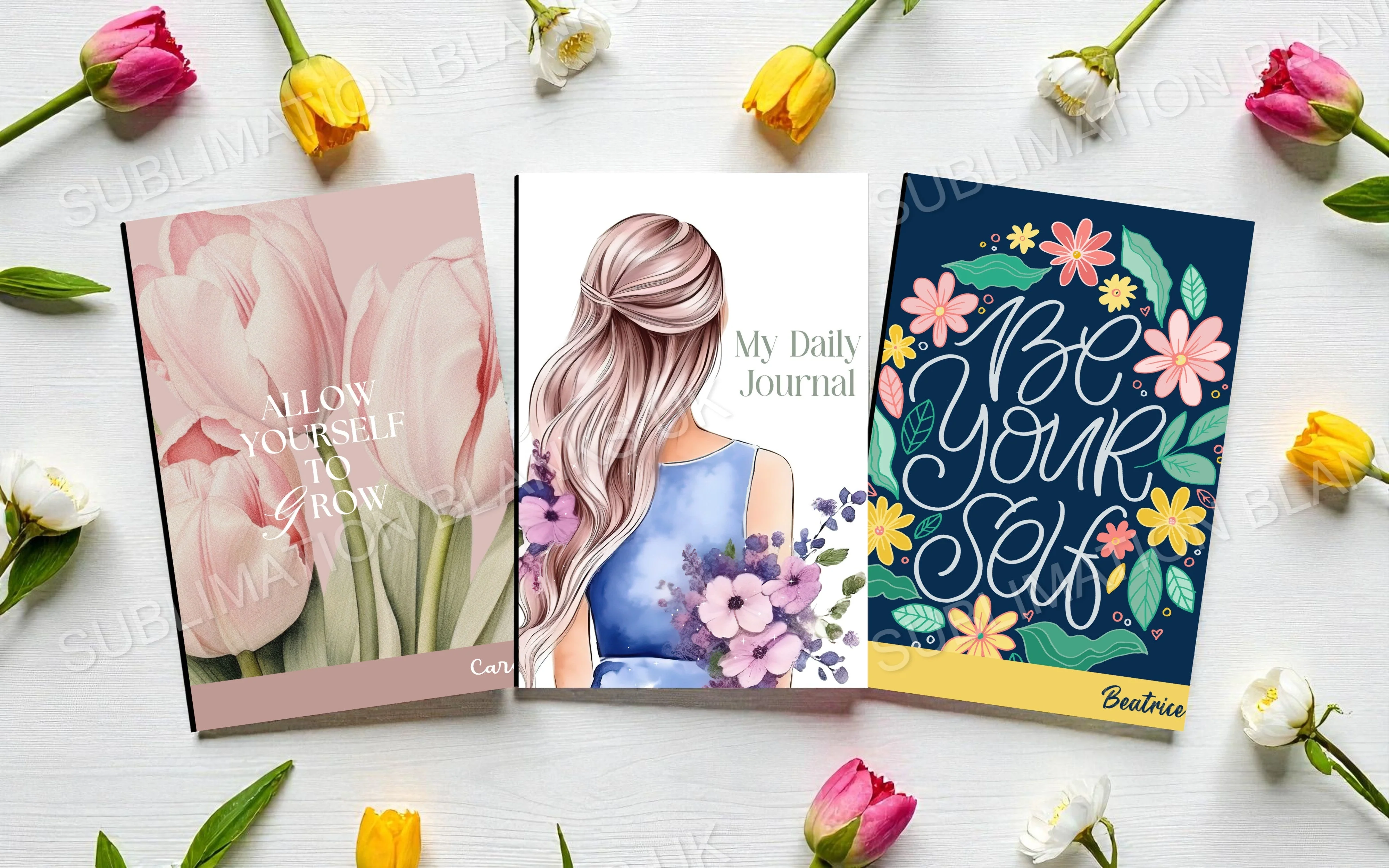
A5 sublimation notebook
A5 sublimation notebook
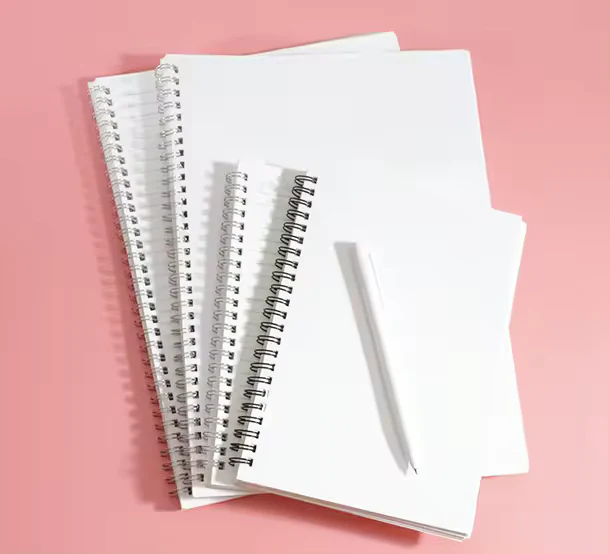
These notebooks can be sublimated on both sides. The sublimable part is made of cardboard with a glossy finish.
Material: Paper with cardboard cover
Print area: 21cm x 13.9cm (we recommend adding 2mm extra on each side for the print)
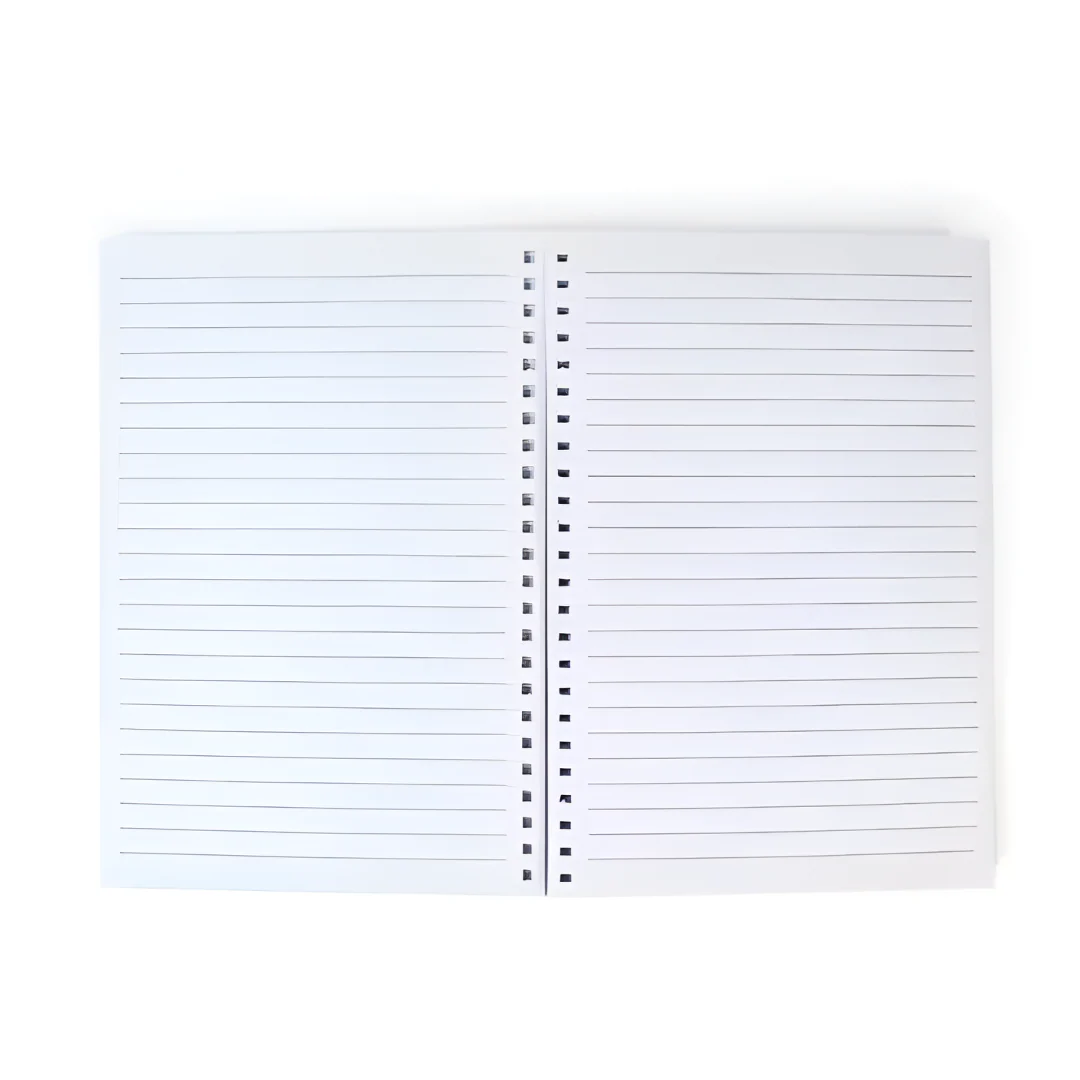
Size: A5, 80 pages
Equipment required: Flat heat press
Pressing instructions:
Temperature:180C
Time: 60sec
If your notebook pages get wrinkled after sublimation, put the notebook under something heavy to cool down.
Occasional small blemishes may appear on any of the products, which is normal and happens due to small dust particles getting attached to the surface during the coating process.
A5 sublimation notebook
These notebooks can be sublimated on both sides. The sublimable part is made of cardboard with a glossy finish.
Material: Paper with cardboard cover
Print area: 21cm x 13.9cm (we recommend adding 2mm extra on each side for the print)
Size: A5, 80 pages
Equipment required: Flat heat press
Pressing instructions:
Temperature:180C
Time: 60sec
If your notebook pages get wrinkled after sublimation, put the notebook under something heavy to cool down.
Occasional small blemishes may appear on any of the products, which is normal and happens due to small dust particles getting attached to the surface during the coating process.
Description
A5 sublimation notebook
These notebooks can be sublimated on both sides. The sublimable part is made of cardboard with a glossy finish.
Material: Paper with cardboard cover
Print area: 21cm x 13.9cm (we recommend adding 2mm extra on each side for the print)
Size: A5, 80 pages
Equipment required: Flat heat press
Pressing instructions:
Temperature:180C
Time: 60sec
If your notebook pages get wrinkled after sublimation, put the notebook under something heavy to cool down.
Occasional small blemishes may appear on any of the products, which is normal and happens due to small dust particles getting attached to the surface during the coating process.